William Locksmith of providence Service Team
Local locksmith team
Oct 25, 2026 11 min read
Losing your keys at 11 p.m. on Atwells Avenue or getting locked out of your car near the Providence Place mall is stressful enough without also worrying about whether the locksmith showing up actually knows what they're doing — or worse, is running a scam. Unfortunately, locksmith fraud is a real problem across the country, and Providence is no exception. The good news is that a few straightforward checks before anyone touches your lock can make the difference between a smooth fix and a costly nightmare.
This guide is written for Providence homeowners, renters, and drivers who want to vet a locksmith the right way. We'll walk you through what credentials and behavior to look for, the right questions to ask before the work begins, and the red flags that should send you looking elsewhere. Whether you need to change a lock after a move, rekey a lock after losing a key, or get back into your car on a cold Rhode Island night, knowing how to find a trustworthy locksmith Providence residents can rely on is a skill worth having before you actually need it.
## What a Trustworthy Locksmith Providence Resident Should Actually Look For
Rhode Island does not currently have a statewide locksmith licensing requirement, which means anyone can legally pick up a set of tools and call themselves a locksmith. That reality makes it even more important that you do your own vetting. Start by asking whether the locksmith is insured — a professional operation carries liability insurance that protects you if something goes wrong with your property during the job. Beyond insurance, look for signs of a real, established local business: a consistent local phone number, a verifiable business address, branded vehicles, and technicians who arrive in uniform and carry a company ID. A technician who shows up in an unmarked personal car and can't produce any identification is a concern from the start.
Experience and training matter too. Ask how long the company has been operating in the Providence area and whether their technicians have hands-on training in the specific service you need — residential deadbolts, automotive lockouts, and smart lock programming are very different skill sets. A skilled, experienced locksmith will answer these questions without hesitation. One that gets defensive or vague when you ask basic credential questions is showing you something important. When in doubt, a quick call to the number on the company's own website — not just the number that appeared in an ad — can confirm you're reaching a real local business and not a call-center intermediary routing your call to an unknown contractor.
## Questions to Ask Before Anyone Touches Your Lock
Before a locksmith begins any work, there are five questions every Providence homeowner or driver should ask. First: Can you give me an exact price before you start? A professional locksmith will assess the job — the lock brand, the type of service needed, whether it's after hours, and any parts required — and then confirm a firm price before picking up a single tool. The factors that shape a final quote include the type of lock or vehicle involved, the time of day, travel distance to your location, and whether replacement parts are needed. What should never happen is a quoted price that balloons dramatically once the technician is already at your door and your lock is partially disassembled. Second: Will you need to drill the lock? Drilling is a last resort for a skilled locksmith, not a first move. If a technician immediately reaches for a drill on a standard residential lock, that's a red flag. Third: What will you need from me to verify I have the right to access this property? Any reputable locksmith will ask for proof of identity and, for a home, may ask for proof of residence. This protects you as much as it protects them. Fourth: Are you insured? Fifth: Do you work for the company whose name is on the vehicle or website? This last question catches bait-and-switch situations where a national call center dispatches an unaffiliated contractor.
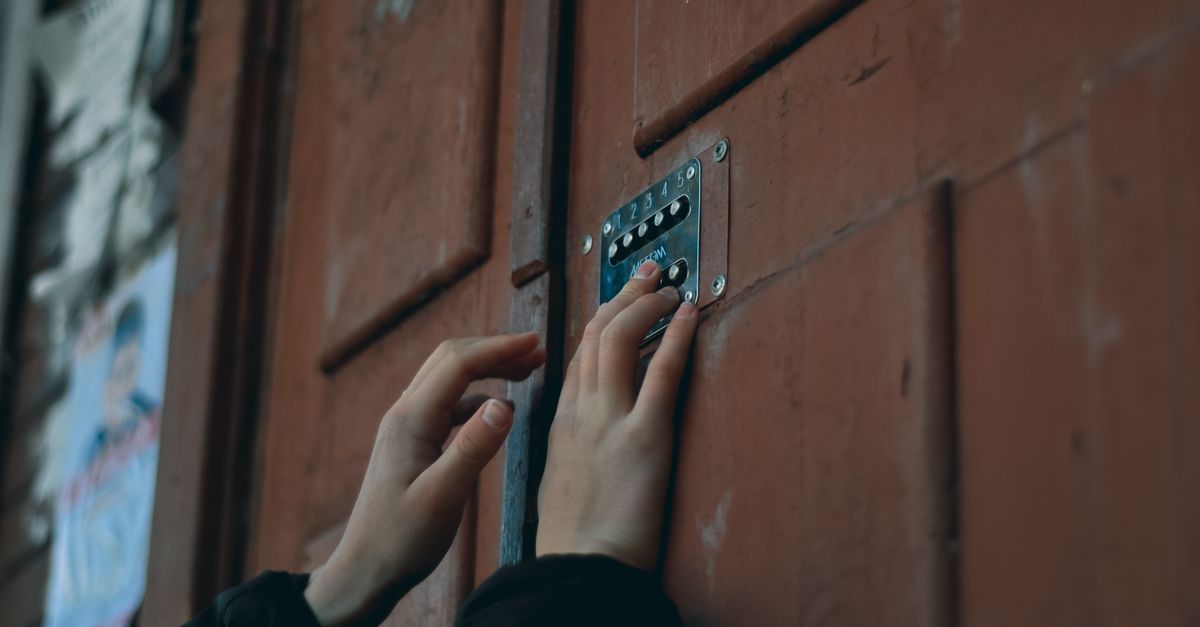
If you're dealing with a keypad or smart lock — for instance, you've moved into a new place and need to know how to change the code on a keypad door lock, or you want to update your door lock code after sharing it with a contractor — a qualified locksmith can walk you through your specific model or handle the reprogramming for you. The same applies if you're wondering how to change a door lock entirely or just rekey a lock to match a new set of keys. These are all legitimate services a professional locksmith handles routinely, and a good one will explain what the job involves before starting, not after.
## Red Flags That Signal a Locksmith Scam
The most common locksmith scam in the U.S. follows a predictable pattern: an extremely low price is quoted over the phone, a technician arrives and suddenly claims the job is far more complex than expected, and the final bill is several times the original quote — often demanded in cash before your property is returned to you. Here's what to watch for in Providence specifically. Be cautious of any locksmith whose only verifiable presence is a generic-looking ad with a local area code but no real business name or address. Legitimate businesses have a traceable local footprint. Be cautious if the technician insists your lock must be drilled when a non-destructive method hasn't even been attempted. Drilling is sometimes necessary, but it should be a reasoned decision explained to you clearly, not a default opening move designed to justify selling you a new lock at an inflated price. Be cautious if the final price changes at any point after work has begun, especially if the technician claims they discovered unexpected complications that weren't discussed upfront.
Another red flag: a locksmith who cannot or will not show you identification or explain who they work for. Professional technicians carry ID and are proud to show it. Also watch for billing that requires cash only with no receipt — any reputable business can provide documentation of the transaction. If something feels off at any point before the work begins, it's completely reasonable to thank the technician and call a different company. Your lock, your property, and your safety are worth the extra few minutes. If you're ever unsure and want to reach a team you can verify and trust, call William Locksmith at (401) 496-9044 — we're available around the clock and will always confirm your price before touching anything.
## What Legitimate Locksmith Services Actually Look Like
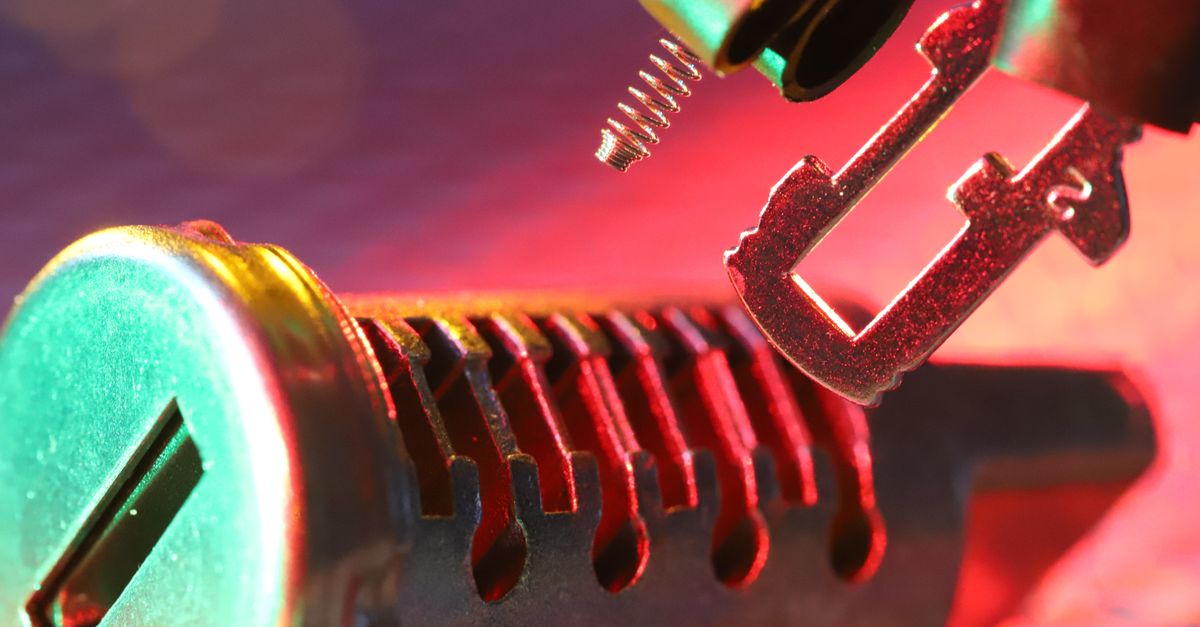
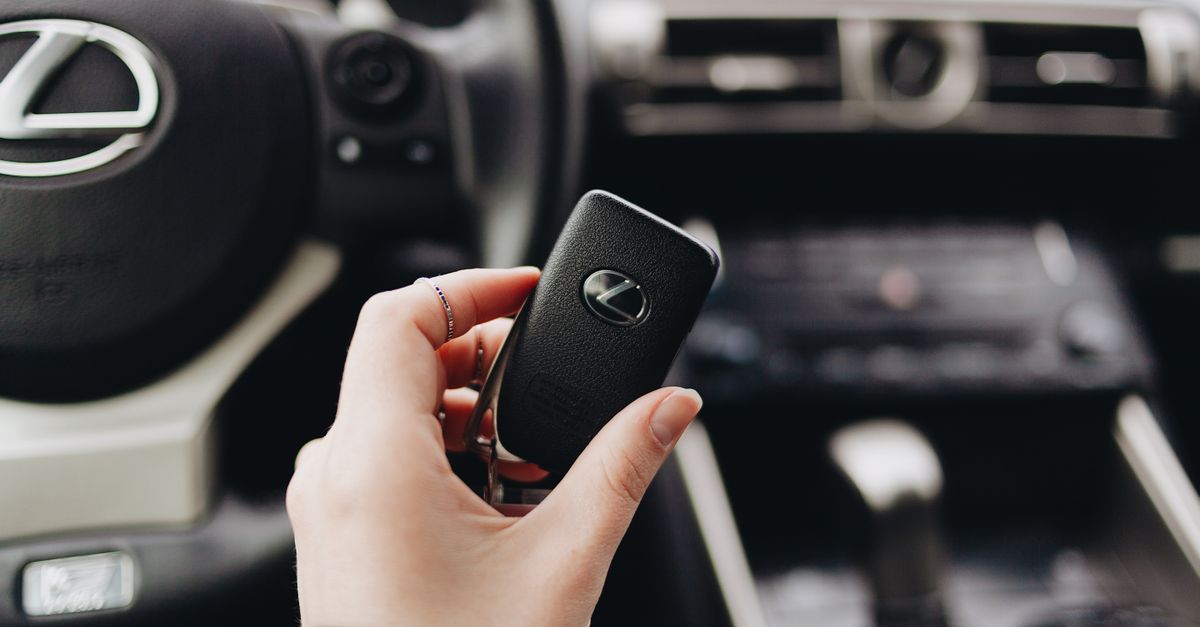
Understanding what a real, full-service locksmith does helps you recognize who you're dealing with. A qualified residential locksmith can rekey a lock so that old keys no longer work — this is one of the most cost-effective things you can do after moving into a new home or after a key goes missing. They can help you change a lock entirely if the hardware is worn or you want to upgrade to something more secure, like a Schlage or Kwikset deadbolt. They can program or reset electronic and keypad locks, assist with sliding door and window lock installations, and handle lockouts without damaging your door frame. On the automotive side, a trained locksmith can get you back into your car, program or replace transponder keys and key fobs, and handle broken key extraction from ignitions.
A legitimate locksmith will also take the time to assess whether a lock is worth rekeying or replacing, explain the difference clearly, and let you make the decision. They'll tell you if a lock is low-quality and explain why an upgrade might be worth considering — but they won't pressure you into purchasing anything you didn't ask about. If a technician seems more interested in selling you a new lock than solving your actual problem, slow down and ask more questions. The job of a good locksmith is to solve your problem efficiently and honestly, whether that's a simple lockout, a rekey after a breakup, or helping you understand how to change a door lock code on your new smart lock after a tenant moves out.
## Staying Prepared Before You're Locked Out
The best time to find a trustworthy locksmith Providence area is before you're standing in the rain outside your Federal Hill triple-decker at midnight. Add a verified local locksmith's number to your phone contacts now, the same way you'd save a plumber or an electrician. Ask your neighbors or landlord who they've used and trusted. When you call to vet a locksmith in advance, notice how the phone is answered — a professional business answers with its name, not just 'locksmith services' or a generic greeting. Also take a few preventive steps: make a spare key and leave it with a trusted neighbor, check that all your entry points lock correctly, and if you have a keypad lock, make sure at least one trusted household member knows the current code and how to update it if needed. Simple habits like these reduce the chance of a stressful lockout in the first place.
When prevention isn't enough and you do need help fast, you want a team that picks up the phone, gives you a clear price before starting, and sends an experienced technician — not a mystery contractor. William Locksmith serves Providence and the surrounding area 24 hours a day, 7 days a week, including holidays. Our insured, experienced technicians handle residential, commercial, and automotive locksmith calls across the city, from the East Side to South Providence and everywhere in between. Call us at (401) 496-9044 any time — day or night — and we'll walk you through exactly what we can do and what it will cost before any work begins.
Frequently asked questions
How do I know if a locksmith is legitimate before they arrive?+
Call the number listed on the company's own website — not just an ad — and ask directly whether the technician is an employee of that company, whether the business is insured, and whether they'll confirm an exact price before starting the job. A legitimate locksmith will answer all three questions clearly and without hesitation. When the technician arrives, ask to see a company ID and note whether they're driving a marked vehicle. Any reluctance to answer basic questions about who they work for or what the job will cost is a reason to pause.
Is it better to rekey a lock or replace it entirely?+
It depends on the condition and quality of your existing hardware. Rekeying a lock changes the internal pin configuration so that old keys no longer work — it's the right call when the lock itself is in good shape and you simply want new keys, such as after moving into a home or losing a key. Replacing the lock entirely makes more sense when the hardware is worn, damaged, or low-quality and you want to upgrade to something more secure. A qualified locksmith will assess your lock and explain which option fits your situation — and the cost factors include the lock type, whether parts are needed, and the time of day the service is performed.
What should I do if I'm locked out of my home or car right now?+
First, stay calm and check all your options before calling anyone: check other doors and windows that may be unlocked (without forcing anything), check whether a spare key is with a neighbor or family member, and for a car, check all doors including the trunk pass-through. If none of those work, call a verified local locksmith directly — use a number you can confirm belongs to a real business. When you call William Locksmith at (401) 496-9044, we'll confirm your location, describe exactly how the service works, and give you a firm price before dispatching — so there are no surprises when the technician arrives.
Can a locksmith help me change the code on my keypad door lock?+
Yes — reprogramming a keypad or electronic lock is a standard locksmith service. Whether you've forgotten your current code, recently had a contractor or guest with access, or just moved into a home with a smart lock you want to reset, an experienced locksmith can handle the reprogramming for most major lock brands. If you want to learn how to change the code on a door lock yourself going forward, a good locksmith will also walk you through the steps for your specific model after the job is done.