William Locksmith of providence Service Team
Local locksmith team
Nov 4, 2026 11 min read
It happens without warning — you slide your key into the front door lock after a long day, and it simply won't turn. Or maybe it turns but refuses to pull back out, leaving you standing on your porch on Elmwood Avenue wondering what to do next. A stuck key is one of those problems that feels minor until it isn't, and knowing whether you're dealing with a five-second fix or a lock that's quietly been failing for months can save you a lot of frustration.
This guide walks you through the most common reasons keys get stuck in door and car locks, what you can safely try on your own, and the warning signs that tell you it's time to call a professional locksmith. If you're already past the troubleshooting stage and just need help now, William Locksmith is available 24/7 throughout Providence — call (401) 496-9044 and we'll be on our way.
## Why Keys Get Stuck: The Most Common Causes
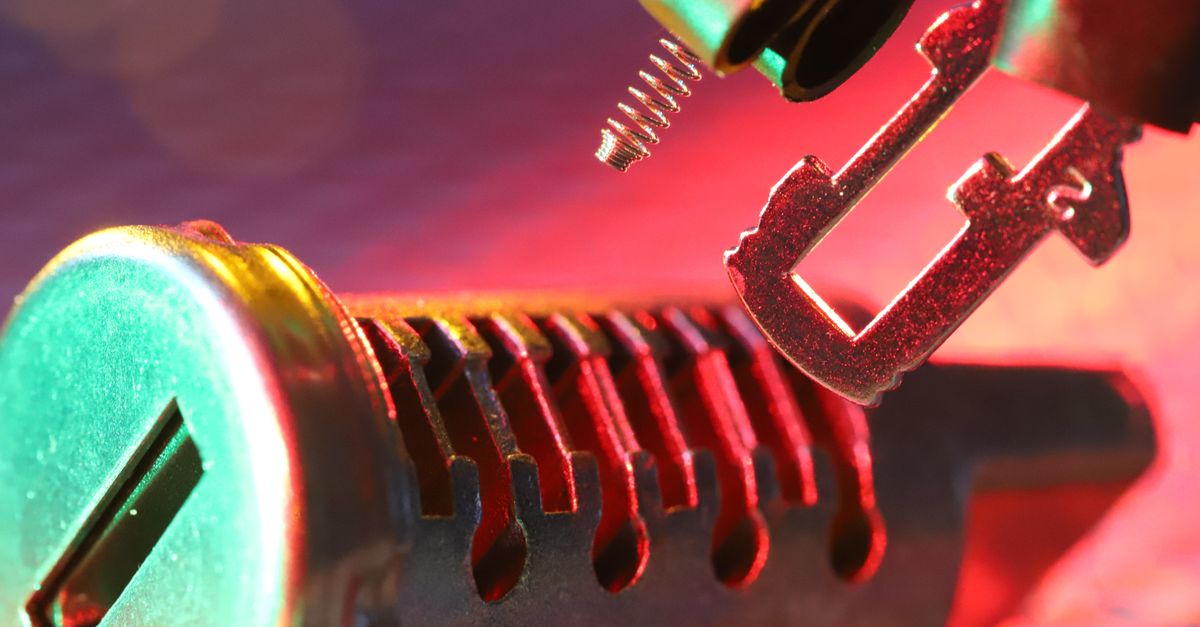
Locks fail in predictable ways, and most stuck-key situations trace back to one of four root causes. The first is a worn or damaged key. Keys are stamped from soft metal and gradually lose their edge with every use. When the cuts become shallow or the bow bends even slightly, the key can bind against the lock's pins and refuse to cycle properly. Hold your key up to the light next to a spare if you have one — if the teeth look rounded or uneven, the key itself is the culprit. The second cause is a dry or gummed-up lock cylinder. Lubricant breaks down over time, and in older Providence triple-deckers and Federal Hill brownstones where hardware sometimes hasn't been touched in decades, the internal pins can seize from lack of lubrication or from built-up grime. The third cause is a misaligned lock — when a door shifts seasonally (wood swells in Rhode Island's humid summers), the deadbolt or latch can bind against the strike plate and put sideways pressure on the cylinder, making the key feel stuck even when the cylinder itself is fine. The fourth, and most serious, cause is internal lock damage: broken pins, a cracked plug, or a worn driver spring that lets pins drop into positions they should never reach.
Understanding which cause you're dealing with matters because the right response is completely different for each one. A dry cylinder can sometimes be helped with a quick spray of dry PTFE lubricant (avoid WD-40 on locks — it attracts dirt and makes the problem worse over time). A bent key needs to be replaced. A binding door may just need the hinges tightened or the strike plate adjusted. But a lock with internal damage needs a trained locksmith to inspect it — and trying to force a stuck key in a damaged cylinder can snap the key off inside, turning a manageable problem into a genuine emergency.
## What to Do If Locked Out of Your House While Waiting for Help
If the key is stuck and the door won't open, your first priority is staying safe and not making things worse. Do not yank or twist the key hard — that is the fastest way to snap it inside the cylinder, which turns a rekey or cylinder replacement into a broken key extraction job on top of everything else. Instead, apply light inward pressure on the door itself (pushing it into the frame) while gently turning the key. Sometimes a binding door is putting sideways torque on the bolt, and relieving that pressure is all it takes to free the key.
While you're troubleshooting, check your options calmly. Do you have a spare key hidden with a neighbor or family member nearby? Is there a secondary entrance — a back door, a garage entry, or a ground-floor window you left unlatched — that you can access safely and without damaging anything? In a true lockout, knowing what to do if locked out of your house starts with these simple checks before escalating. If none of those options exist, that's the right moment to call a professional locksmith rather than attempting anything that risks property damage or personal injury. William Locksmith serves all of Providence — from the East Side to South Providence — and our mobile team can typically reach most addresses quickly, any hour of the day or night.
## Reading the Warning Signs: When the Lock Itself Needs Attention
A stuck key is often your lock's way of telling you something bigger is coming. Pay attention to these red flags: the key started sticking only recently and nothing about the key itself has changed; the lock feels gritty or grinding when you turn it; you can see visible rust or corrosion around the keyway; the cylinder has any wobble or play when you grip and move it; or the key is already a copy of a copy and the cuts are noticeably less crisp than the original. Any one of these on its own warrants a closer look. Several of them together mean the lock is likely near the end of its reliable life.
This is also the right time to think about whether the lock is doing its job securely, not just mechanically. A deadbolt that's been on a rental property door for fifteen years, cycled by dozens of different keys, may still function day-to-day while offering very little real security — worn cylinders are easier to manipulate than fresh ones. If you've recently moved into a new home in Providence, changed tenants in a rental unit, or simply can't remember the last time your locks were serviced, a lock rekeying or full lock replacement is worth considering. Our team can inspect your existing hardware and give you an honest assessment of whether a rekey will do the job or whether a replacement makes more sense for your situation.
## Stuck Key in a Car Door or Ignition: What's Different
Stuck keys aren't limited to home locks — they're just as common in vehicle door locks and ignitions, and the causes are slightly different. Car ignition cylinders wear down in a specific way: the wafers inside (rather than the pin-stack design used in most residential locks) flatten out over time, especially on keys that carry a heavy keychain. If your car key is sticking in the ignition, make sure the steering wheel isn't locked (it creates rotational pressure on the cylinder — just move the wheel slightly while turning the key). Also confirm the gear selector is fully in Park, since many ignitions won't release until they confirm the transmission position.
For car door locks, moisture intrusion is a major factor in New England winters. Providence's freeze-thaw cycles can ice up a door lock cylinder from the inside, making it feel stuck. A proper automotive lock de-icer applied to the keyway — not hot water, which can warp the door seal and refreeze — usually resolves ice blockages. If the key is bending or the cylinder feels gritty in warmer weather, the lock itself may need service. Our mobile locksmith team handles automotive lockouts and lock repairs for most makes and models right at your location, whether you're parked on Thayer Street or stranded in a parking lot off I-95.
## When to Stop Trying and Call a Locksmith Providence Residents Trust
There's a point in every stuck-key situation where further DIY attempts cost more than they save. That point arrives when: you've already tried gentle troubleshooting and the key still won't move; you can see or feel that the key is on the verge of snapping; the key has already broken and part of it is inside the cylinder; the lock is making sounds it didn't make before; or you simply don't have the time, tools, or confidence to continue safely. At that point, what to do when locked out of your house — or your car — is straightforward: stop, step back, and call a professional.
William Locksmith is a 24/7 mobile locksmith serving Providence and the surrounding area. Our experienced team carries the tools to extract broken keys, service or replace cylinder hardware, rekey locks on the spot, and get you back inside safely without unnecessary damage to your door or vehicle. The cost of a service call depends on factors like the type of lock or vehicle, the time of day, travel to your location, and whether parts are needed — but we always confirm an exact price with you before any work begins, so there are no surprises. When you're ready, call (401) 496-9044 — we answer every call, any hour.
## Prevention: How to Keep Your Lock — and Your Key — Working Longer
Most stuck-key problems are preventable with a small amount of regular maintenance. Once or twice a year, apply a dry PTFE or graphite-based lubricant directly into the keyway — insert the key a few times to work it through the pins. Check your keys periodically for signs of bending, worn cuts, or cracks near the bow, and replace them before they fail inside a lock. If a key has been duplicated multiple times, get a copy cut from the original rather than from the copy, since each generation of cutting introduces small errors that compound. For deadbolts, check that the bolt slides cleanly into the strike plate without resistance — if you have to lift or push the door to lock it, the door alignment is off and putting unnecessary stress on both the lock and the key every single time you use it.
On the security side, consider scheduling a lock inspection if your hardware is more than seven to ten years old, if you've never had the locks serviced since moving in, or if you share keys with a large number of people. Rekeying is a fast, cost-effective service that changes the internal pin configuration so old keys no longer work — no new hardware required unless the cylinder is worn. Lock replacement makes sense when the existing hardware is damaged, outdated, or simply not up to the security standard you want. Either way, our Providence locksmith team can walk you through the options and help you make the right call for your home, rental property, or vehicle.
Frequently asked questions
What should I do if my key breaks off inside the lock?+
Stop turning or pulling immediately — pushing the broken piece deeper makes extraction harder. Do not try to remove it with tweezers or a bobby pin unless a clean portion is visibly protruding, as makeshift tools often push fragments further in or scratch the cylinder. This is a job for a professional locksmith with proper extraction tools. Call William Locksmith at (401) 496-9044 and we'll handle the extraction and assess whether the cylinder needs to be replaced afterward.
What do I do if I get locked out of my house and have no spare key?+
First, check every other entry point calmly — back door, attached garage, or any window you may have left unlocked. Contact a trusted neighbor or family member who might hold a spare. If none of those options work, call a professional locksmith rather than attempting to force entry, which can damage the door frame, the lock, or both. Knowing what to do if you get locked out of your house mostly comes down to staying calm, avoiding damage, and calling trained help. William Locksmith is available 24/7 at (401) 496-9044 — we serve all of Providence and can typically arrive quickly regardless of the time.
How much does it cost to get a stuck key fixed or a lock replaced?+
There's no single flat answer because the final price depends on several factors: the type of lock involved (a standard deadbolt is different from a high-security or mortise lock), whether it's a residential door or a vehicle, the time of day, travel distance to your location, and whether replacement parts are needed. What we always do is confirm a clear, exact price with you before any work starts — no hidden fees, no after-the-fact surprises. For a straightforward quote, call (401) 496-9044 and describe what you're dealing with.
Can I use WD-40 to fix a stiff or sticky lock?+
It's one of the most common DIY attempts, but WD-40 is a water-displacing solvent, not a true lubricant, and it leaves behind a residue that attracts dust and dirt. Over time it actually makes lock cylinders stiffer and more prone to seizing. For a sticky lock, use a dry PTFE spray or graphite powder — both are available at hardware stores and are safe for pin-tumbler cylinders. If lubrication doesn't solve the stiffness within a cycle or two, the issue is likely mechanical and worth having a locksmith inspect before it gets worse.