William Locksmith of providence Service Team
Local locksmith team
Nov 11, 2026 3 min read
That familiar moment of frustration — you push your front door shut, hear it bounce back, and realize it's just not catching. Whether you're dealing with a door that refuses to latch on a humid July evening in the Elmwood neighborhood or a back door that's been sticking since the last nor'easter warped its frame, this problem is more common in Providence homes than most people realize. The city's mix of triple-deckers, colonial-era woodwork, and older door hardware means frames shift, wood swells, and strike plates slowly drift out of alignment over the years.
The good news is that many latching problems have a clear cause and a straightforward fix — if you know where to look. This guide walks you through diagnosing exactly what's going wrong, what you can reasonably handle yourself, and when it makes more sense to call an experienced locksmith rather than wrestle with it further.
Frequently asked questions
Why does my door latch fine in winter but not in summer?+
This is almost always a wood-swelling issue. Wood doors and frames absorb moisture from the air and expand, which can be enough to push the latch bolt above or below the strike plate opening. The fix can be as simple as sealing the exposed wood on the door's top and bottom edges to slow moisture absorption, or as involved as planing the door edge and repositioning the strike plate. If the problem has been getting worse each summer, it's worth having a locksmith assess whether the hardware itself needs to be repositioned to account for the seasonal movement before it becomes a full lock failure.
How do I change my door lock code without calling a locksmith?+
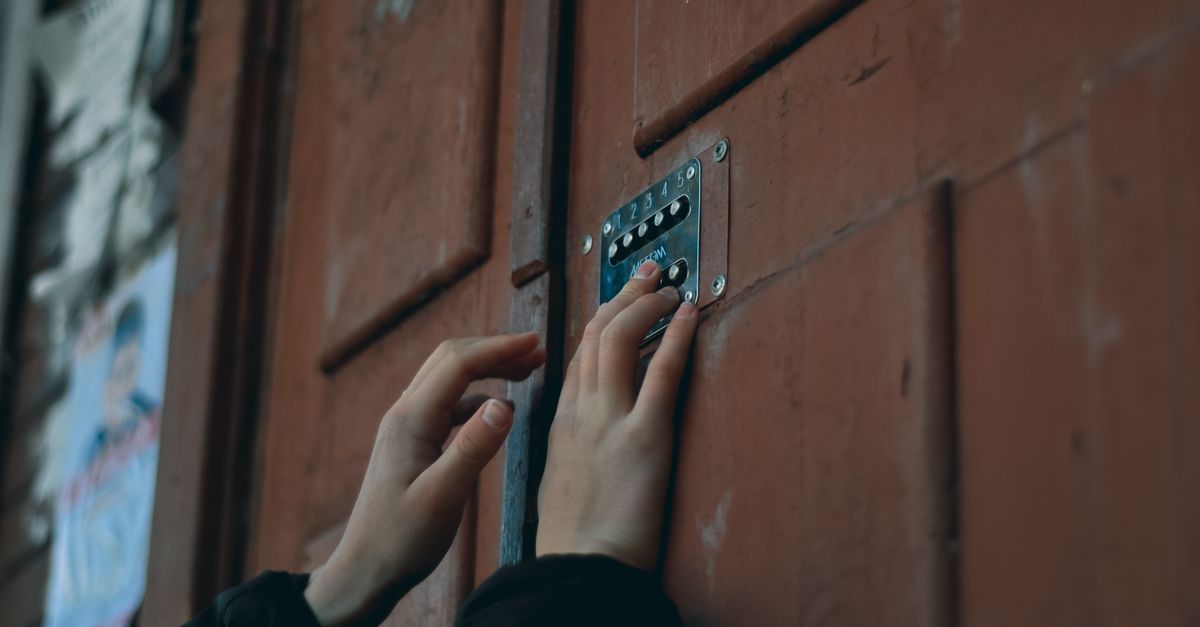
If you have the original manual for your keypad deadbolt, most models from common manufacturers walk you through how to change your door lock code using a simple button-and-enter sequence — usually involving the programming code, a function button, and your new desired code. If you don't have the manual, the manufacturer's website typically has a downloadable version by model number. The tricky cases are when you don't know the current programming code (common after a move or tenant change), which requires a full reset that may need a locksmith's help, or when the lock itself needs replacing. Either way, once it's done, make sure only current household members know the code.
My door knob won't lock from inside — is that a frame problem or a hardware problem?+
In most cases, a door knob that won't lock from the inside points to a hardware failure rather than a frame issue. The interior locking button or thumb-turn is connected to a small cam or spindle that rotates to hold the latch bolt in the extended position. When that component breaks or wears out, the knob may still turn freely and the latch may still move, but the locking action itself fails. This is a security concern and should be addressed promptly. A locksmith can diagnose whether the unit can be repaired or needs to be replaced, and can typically handle it in a single visit.
When does a door-won't-close problem actually need a locksmith versus a carpenter?+
It depends on where the problem lives. If the door frame has racked or the door itself has warped significantly, that's structural work — a carpenter's domain. But if the frame is reasonably sound and the issue is with the latch bolt, strike plate, lock cylinder, or the interaction between the door hardware and the frame position, that's a locksmith's territory. In practice, many Providence homeowners find that what looks like a carpentry issue is actually a hardware alignment issue that a locksmith resolves without any cutting or major work. It's often worth a locksmith evaluation first, since the visit is faster and the fix can be done on the spot if it turns out to be hardware-related.